An Enterprise deal is stuck on a security review.
Your prospect's procurement team is asking for a recent third-party pentest report. The deal won't move until you provide one — and you don't have it.
Uncover critical vulnerabilities and complex attack chains in your app and APIs — to reduce breach risk, unblock Enterprise deals, and pass SOC 2 / ISO 27001 audits.
Trusted by B2B SaaS platforms


Hired by Enterprise to pentest their SaaS vendors



Your prospect's procurement team is asking for a recent third-party pentest report. The deal won't move until you provide one — and you don't have it.
Your auditor requires an independent penetration test. You need a report that passes on first review — without pulling engineering off the roadmap for weeks.
Your team ships weekly and says the product is secure. But no one outside has independently tested it — and you don't actually know what an attacker could exploit.
Yours, a near miss, or one in your industry that hit too close. Internal review patched what was obvious — but customers, partners, and investors need an independent report to trust that the problem is actually closed.
Investors and acquirers are flagging the lack of an independent security audit as a risk. It's becoming a blocker on valuation — or on the deal itself.
You paid for it, got a PDF full of low-signal noise, and engineers ignored most of it. You're not sure if the product is actually any safer.
8 out of 10
Enterprise B2B deals now stall or fail without an independent third-party pentest report.
50–200%
of your annual ARR is what a single breach typically costs — through contract penalties, regulatory fines, customer churn, and remediation.
60%? 80%?
How many of your customers leave after a publicized breach? Either number is unacceptable — and one breach is all it takes.
Deep manual testing of everything your users touch — and everything an attacker can reach.
External attacker simulation, starting with what's publicly visible.
Authenticated testing across all user roles in your application.
Most security work stops at finding a vulnerability. We treat that as the starting point.
 Typical result for
scanners, freelancers, bug bounty
Typical result for
scanners, freelancers, bug bounty
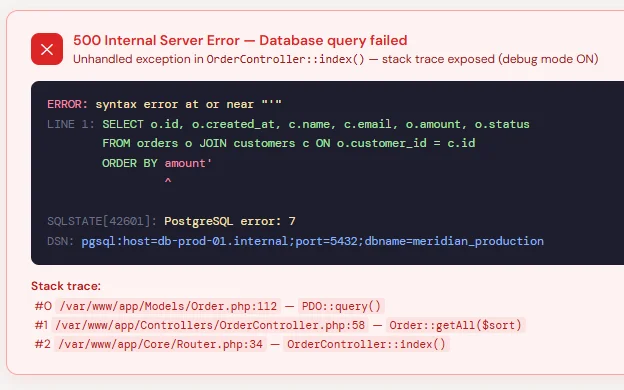
A scanner flags an SQL injection in a URL parameter. The report lists it as "High". Nothing more.
 Typical result for
most pentest vendors
Typical result for
most pentest vendors
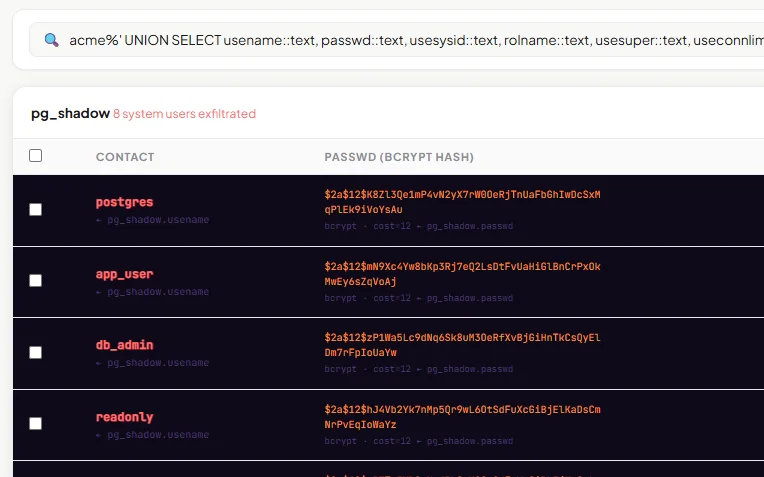
A tester confirms the injection, extracts a few user records as proof, writes the finding. Engagement ends.
 Typical result for
XRAY CyberSecurity
Typical result for
XRAY CyberSecurity
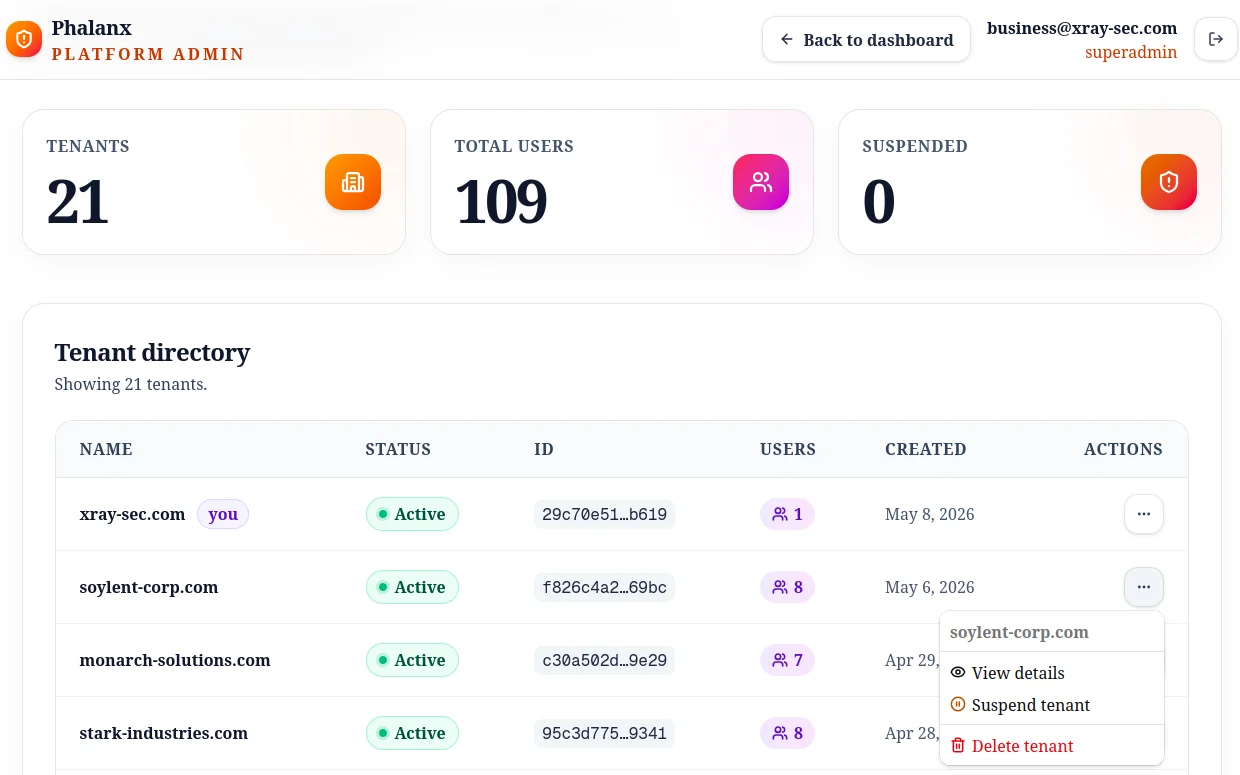
Identify SQLi, extract user records, correlate with credentials from a forgotten backup on a sister subdomain, identify high-value targets, exploit a tenant-isolation flaw, build a custom tool to gain administrative access — and demonstrate the path to compromise your Enterprise customer's data.
 Typical result for
scanners, freelancers, bug bounty
Typical result for
scanners, freelancers, bug bounty
A scanner flags reflected XSS in a search input. Marked as "Medium". Listed.
 Typical result for
most pentest vendors
Typical result for
most pentest vendors
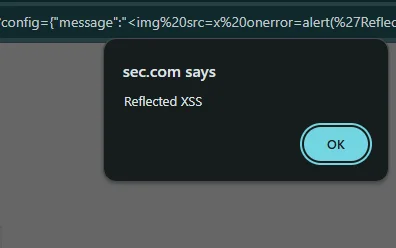
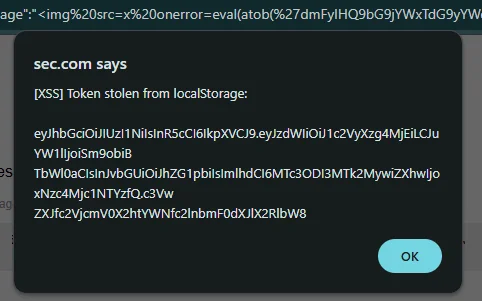
A tester confirms the XSS, demonstrates a popup as proof-of-concept showing access to the session token, files the finding. Done.
Typical result for
XRAY CyberSecurity
Identify XSS, build a PoC exfiltrating session tokens, deliver to platform users, harvest tokens, pivot through a role-validation flaw to escalate privileges, target admins the same way, steal admin tokens, hijack tenant administration — and demonstrate platform takeover, including the path to compromising Enterprise customers.
Your platform has its own — possibly several — built into your architecture, business logic, and APIs.
Sometimes the chain leads to full compromise. Sometimes your defenses break it midway — and we report exactly where, and why.
Either way: you see what an attacker actually sees.
A senior pentester (not a sales rep) will get back to you with an honest read on what would actually be worth testing.
Five deliverables — built for the people who'll actually use them: your engineers, your C-level, your auditors, and your Enterprise customers.
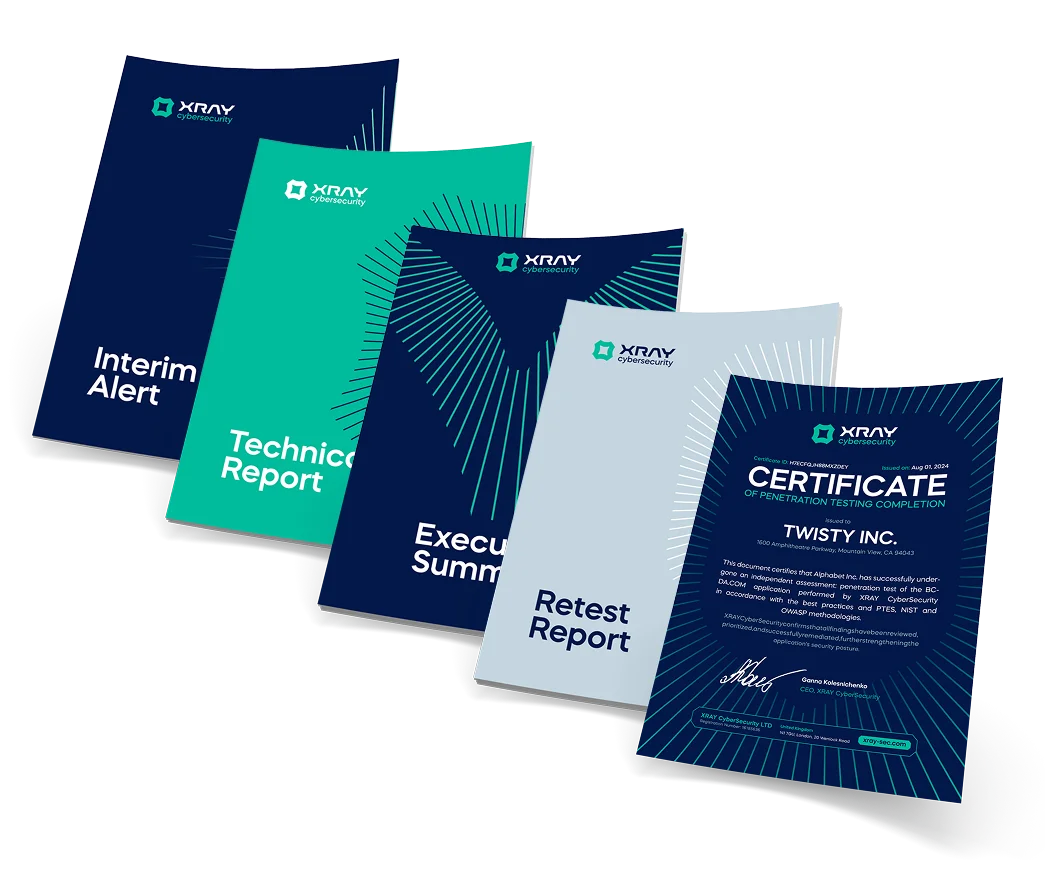
Real structure, real findings, real format. The same documents your team and your auditors will see.
When we find Critical, you find out today.
If we discover a Critical-severity vulnerability mid-engagement that needs immediate attention, you get an alert with reproduction steps and recommended actions. We keep testing, you start remediating in parallel. No waiting until the final report.
Prioritized findings your engineers can act on the same day.
Every vulnerability with reproduction steps, proof-of-concept exploitation, business impact, and a prioritized remediation roadmap. No false-positives. No filler. Built so your developers know exactly what to fix and in what order.
What the board and investors actually need to know.
A business-language report covering the security posture of your product, the risks identified, their potential business impact, and the path to remediation. Written for CEOs, boards, investors, and Enterprise procurement teams — not engineers.
Verified evidence that the fixes actually work.
After your team remediates the findings, we re-test each one and confirm the fixes hold under the same exploitation attempts. The updated report is your proof that the vulnerabilities are actually closed — not just patched on paper.
A public-facing artifact you can share with customers and prospects.
After remediation and retest, we issue an official certificate confirming your product passed deep manual penetration testing. Use it on your website, in security questionnaires, in Enterprise sales conversations — the artifact your prospects and procurement teams want to see.
Industry-standard methodologies, executed by senior engineers.
Scanners run only as a baseline. Every finding is hand-built and verified by a senior engineer — exploited and chained manually, with your platform's context in mind.
Each finding feeds the next. New access reveals new attack surface. We loop back, dig deeper, and chain — until we reach the deepest impact your architecture allows.
A list of CVEs doesn't tell you what an attacker would actually do to your business. We translate every finding into a real-world scenario — what gets compromised, who loses what, and how the chain unfolds.
No juniors learning on your product, no outsourced backfill, no swapping engineers mid-engagement. Every engagement is run by senior offensive engineers with deep B2B SaaS experience.
We're not a conveyor optimizing for throughput. We take fewer engagements at a time and go deep on each — that's the trade-off.
All testing happens under signed Rules of Engagement. High-risk actions on production are coordinated with you in advance. Critical findings trigger an immediate alert — no surprises, no broken environments.
Every finding is verified, prioritized, and documented with reproduction steps and remediation guidance. Your engineers know exactly what to fix first — and they don't waste a day on noise.
Direct access to our engineers throughout the engagement. No sales translators, no project managers gatekeeping technical detail.
We hire engineers who hack on their own time — for research, for CTFs, for the love of the craft. Our team treats every engagement as a challenge to solve, not a ticket to close.
A structured engagement built around your team — with senior engineers, direct communication, and zero surprises.
Top-rated on industry platforms



Our engineers hold certifications including

XRAY CyberSecurity delivered a comprehensive, well-structured report with practical recommendations tailored to strengthening our application security. We received two reports — a detailed Technical and a separate Executive — which allowed us to quickly present results to leadership and build an action plan. Their readiness to communicate directly with our vendors significantly accelerated remediation.
XRAY CyberSecurity provided penetration testing for our products built on different technologies. We were able to discover vulnerabilities, fix them, and receive confirmation through retesting that they were mitigated. Communicating with their team felt more like working with coworkers than an external vendor — they were professional, knowledgeable, and gave us valuable advice.
XRAY CyberSecurity conducted gray-box penetration testing following OWASP methodologies. Their thorough manual analysis identified vulnerabilities worth attention, and their detailed technical and executive reports — followed by a retest validating our remediation — allowed us to proceed with ISO 27001 certification.
XRAY CyberSecurity conducted thorough assessments across our web applications and cloud environments, simulating real-world attack scenarios. Their detailed reports provided clear, actionable insights that significantly improved our security posture, and their ability to communicate complex findings in an understandable way was invaluable to our team.
The work was done quickly and professionally. XRAY CyberSecurity's specialists highlighted our vulnerable points, enabling us to improve our software quality. We received a report with detailed penetration scenarios and both technical and organizational recommendations for remediation and prevention.
No, and that's by design. Every engagement runs under signed Rules of Engagement that define exactly what we test, when, and how. High-risk actions on production — anything that could affect performance, data integrity, or real users — are coordinated with you in advance and only executed with your explicit approval. We've never taken down a client's production environment, and our process is built to keep it that way.
If you'd prefer testing on staging, we'll work with what you have. We don't require a separate environment to deliver real findings — we adapt to yours.
Yes. Our testing is built on OWASP WSTG, PTES, and NIST SP 800-115 — the methodologies SOC 2 and ISO 27001 auditors expect to see. Each report includes an Executive Summary written for procurement and leadership, and a Technical Report with reproduction steps and remediation guidance for engineers.
Our reports have been accepted by the security teams of global Enterprises — including some who hired us directly to test their own SaaS vendors. They will pass yours.
This is rare — in the engagements we've run on B2B SaaS, we've always found something worth reporting. But if we don't, you still get the full deliverables: a report confirming the depth of testing performed, the methodologies applied, and the components covered. That report is the same artifact your auditors and Enterprise customers need.
A clean pentest from a senior team is also a meaningful result — and one that few products can actually claim.
Every engagement starts with a signed NDA and a contract with XRAY Cybersecurity — full corporate liability and legal accountability. Findings, exploitation evidence, and any data accessed during testing are stored encrypted, accessed only by the assigned engineers, and deleted from our systems after the engagement closes (with the exact retention period defined in your contract).
We carry professional indemnity insurance, and our team operates under strict internal data handling policies. If something goes wrong, you have a company to hold accountable — with legal recourse, not a hope.
Less than most clients expect. The setup is concentrated in the first few days — provisioning access, sharing documentation, and walking through your architecture in a kickoff session. After that, your team's involvement is mostly answering occasional clarifying questions.
The real time investment comes during remediation, when your engineers fix the findings. That's on your timeline, not ours — and we support them with direct technical guidance rather than adding more meetings.
We discuss all of this during the kickoff session and adapt to your setup.
For most engagements, we recommend either whitelisting our IPs at the WAF level (so we test the application, not your perimeter) or testing the WAF behavior explicitly as part of scope — your choice. If you have a SOC or monitoring team, we coordinate notifications so our testing doesn't trigger an unnecessary incident response. We aim to minimize noise — but we don't disable any protections without your decision.
It happens — release crunches, internal incidents, leadership changes. We've designed our process to accommodate this. Pauses are coordinated with your team, the engagement timeline shifts accordingly, and there's no penalty for reasonable rescheduling within the engagement period.
Retesting is included in every engagement — there's no separate charge. After your team remediates the findings, we re-test each one against the original exploitation to verify the fix actually holds, and issue an updated Technical Report and Security Certificate.
The retest window is agreed up front and reflected in your engagement scope, so your team has the time it actually needs to remediate. We don't push, we don't drag, and we don't bill you again for work that should have been part of the original engagement.
The price you see in the proposal is the price you pay. It's fixed, written into the contract, and tied to the agreed scope. Full cycle from kickoff to final certificate is included — testing, all reports (Interim Urgent, Technical, Executive Summary, Retest), the debrief call, remediation support, retesting, and the Security Certificate.
There are no hidden fees, no per-finding charges, no extra invoices for retests, reports, or follow-up calls. The only reason the price changes is if you decide to expand the scope mid-engagement — adding new components, new roles, or new applications. In that case, we estimate the additional effort and agree the change with you in writing, before any work begins. Nothing surprises you on the invoice.